The Evolution of the Medieval University: From Cathedral Schools to Scholastic Communities
April 15, 2024By Dr. Maud Mohr
The history of knowledge institutions is a tapestry woven with threads of tradition, community, and intellectual pursuit. Among the most significant developments in the Western world was the emergence of the university in the High Middle Ages. This article explores the transformation from informal cathedral schools to the structured, self-governing scholarly communities that laid the groundwork for modern academia.
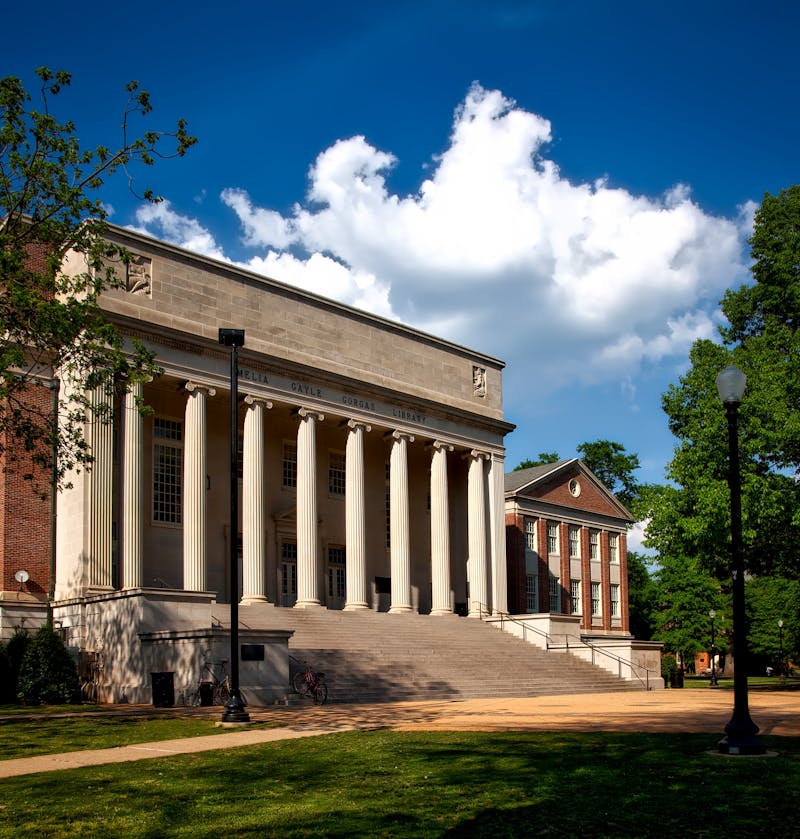
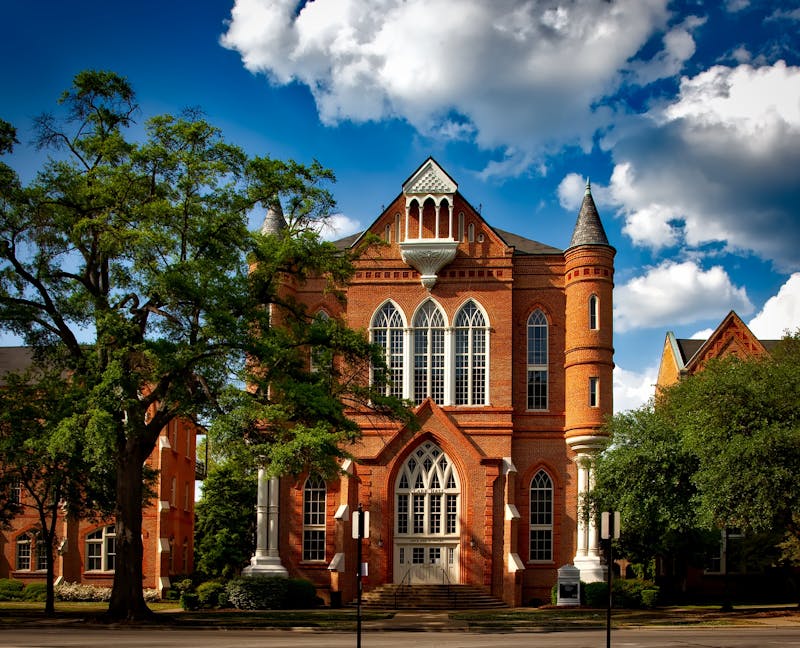
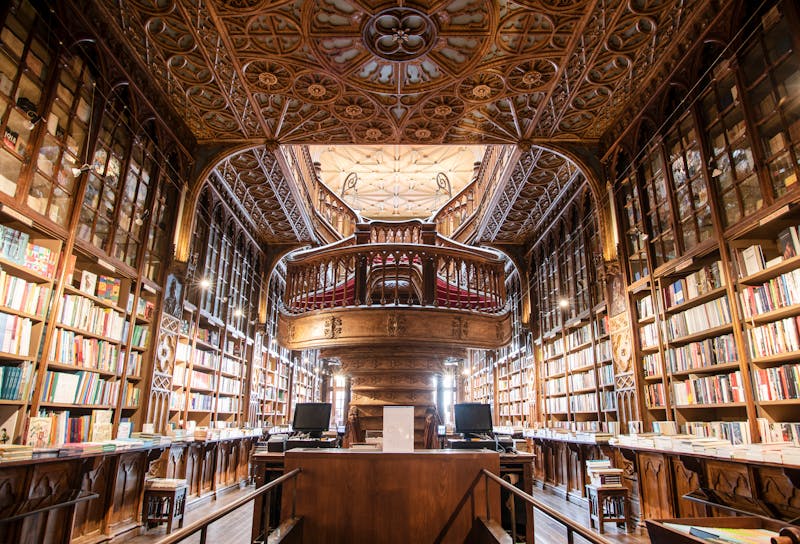
A glimpse into the architectural and intellectual heritage of early learning spaces.
Origins in the Cathedral Schools
Prior to the 12th century, formal education in Europe was primarily the domain of monastic and cathedral schools. These institutions, often attached to a bishop's seat, focused on training clergy in the trivium (grammar, rhetoric, logic) and the quadrivium (arithmetic, geometry, music, astronomy). The curriculum was deeply rooted in classical texts preserved and commented upon by scholars. The learning model was hierarchical and closely tied to ecclesiastical authority.
The Rise of the Universitas
The term universitas originally referred not to a place, but to a guild or corporation of individuals. In the bustling urban centers of Bologna, Paris, and Oxford, masters and students began to form such guilds to protect their rights, regulate teaching standards, and secure privileges from local authorities. This was a pivotal shift from knowledge transmission under direct church control to a model of collective self-governance by the scholarly community itself.
These new communities developed structured curricula, formalized degrees (baccalaureate, licentiate, doctorate), and a system of disputation that became the hallmark of Scholasticism. The pursuit of knowledge through logical argument and commentary on authoritative texts defined the intellectual life of these institutions.
"The university was not merely a school; it was a society of scholars, a living tradition of inquiry that transcended its individual members."
Cultural Traditions of Knowledge Transmission
The medieval university established enduring cultural traditions. The lecture (lectio) involved reading and explicating a set text. The disputation (disputatio) was a rigorous public debate on a thesis, sharpening dialectical skills. The college system, originating as endowed residential halls, fostered a communal life of learning. These forms created a shared intellectual culture that spread across Europe, creating a transnational Republic of Letters long before the modern era.
This historical journey reveals that the core of an educational institution lies not in its buildings or administrative structures, but in the sustained community of learners and teachers committed to a shared tradition of inquiry. The medieval university's legacy is a testament to the human desire to organize, preserve, and advance knowledge collectively.
Cookie Consent
This website uses cookies to enhance your browsing experience and analyze site traffic. By continuing to use this site, you consent to our use of cookies as described in our policy. You can manage your preferences at any time.