The Scriptorium and the Scholar: Knowledge Production in Medieval Monasteries
Long before the modern university, the primary centers for the preservation and transmission of knowledge in Western Europe were monastic scriptoria. These quiet, disciplined spaces were not merely copying rooms; they were sophisticated intellectual hubs where the written word was curated, studied, and given new life.
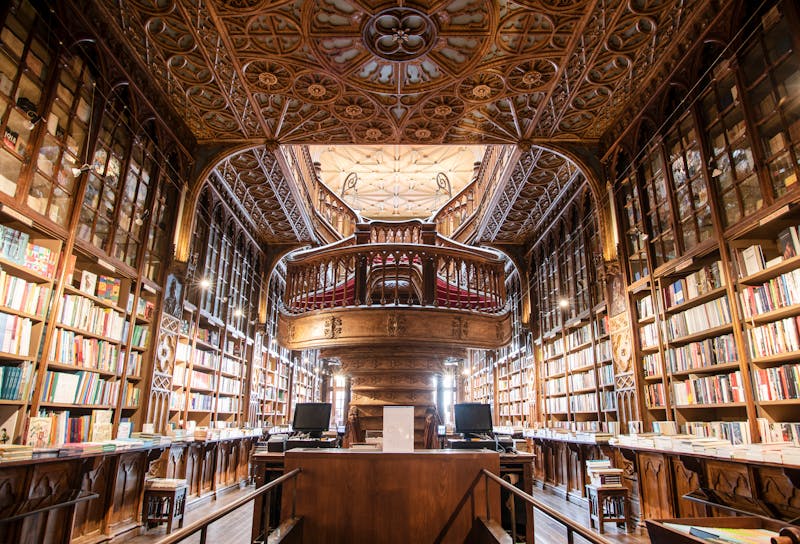
The Architecture of Attention
The physical layout of a scriptorium was designed for concentration. Large windows faced north to provide consistent, cool light. Monks worked at individual carrels, their tools—quills, ink, pumice stone, and ruler—meticulously arranged. This environment fostered a ritual of work that blended manual labor with spiritual and intellectual devotion. The act of copying was seen as lectio divina, a form of divine reading and meditation.
Beyond Transcription: The Scholar-Monk
While much attention is given to the beautiful illuminations, the intellectual work was profound. Scholar-monks engaged in glossing—adding explanatory notes in the margins. These glosses could be linguistic, theological, or philosophical, creating a layered conversation with the original text across generations. A single manuscript might contain the primary text, interlinear translations from Greek or Arabic, and centuries of accumulated commentary, forming a tangible network of thought.
"The library and the scriptorium were the twin engines of monastic learning: one conserved memory, the other actively regenerated it."
The Circulation of Ideas
Monasteries were nodes in a vast, slow-moving network. Through travel, correspondence, and the exchange of books, ideas from Irish monasteries could eventually find their way to Italy. Texts on medicine, astronomy, and philosophy from the ancient world and the Islamic Golden Age were painstakingly copied, translated, and integrated into the Christian intellectual tradition, ensuring their survival through turbulent times.
This tradition highlights a model of knowledge institution fundamentally different from today's credential-focused systems. Learning was inseparable from community, ritual, and a shared purpose that transcended individual achievement. The scriptorium reminds us that the infrastructure of knowledge—the quiet room, the dedicated time, the community of practice—is as vital as the ideas themselves.